Healthier Trees Start With Targeted Fertilizing From Local Arborists
Many properties in Centennial, Englewood, and Parker run into the same problem: trees that seem worn down, lose leaves too soon, or struggle to produce new growth even with regular watering. As tree care professionals in Littleton, we know how compacted clay soil and alkaline conditions in Littleton can restrict nutrient uptake for cottonwoods, oaks, and ornamental maples. When fertilizing is paired with expert tree pruning, trees can put energy into the growth that matters most.
Homeowners in Golden, Arvada, and Lone Tree often notice thinning canopies or yellowing leaves after a few dry seasons. In Littleton and across the Front Range, root systems take a beating from drought, especially where soil has been disturbed by construction or compressed over many years. Catching nutrient shortages early with a proper fertilizing plan, along with professional root protection measures, helps trees build the resilience they need against drought, insects, and disease.

Prefer to Talk to An Expert?
(720) 262-9222
What Local Arborists Can Do for Your Trees and Landscape
Tree fertilizing does more than improve leaf color. It helps trees stay stronger, recover better, and perform well over time.
Soil Amendment and Nutrient Application
Clay-dominant soil in Littleton can hold back iron, manganese, and other micronutrients trees rely on. We see this often on older elms and lindens in places like Wheat Ridge and Morrison. A focused soil amendment plan with deep-root fertilizing helps correct those shortages where they start.
Slow-Release Fertilizing Programs
Slow-release fertilizing supplies nutrients gradually across the growing season instead of all at once, which lowers the chance of burn or runoff. This approach works especially well for conifers and aspens in rocky or shallow soils around Evergreen and Castle Pines. When combined with quality tree disease treatments, it can help trees stay steadier and less exposed to fungal stress.
Deep-Root Fertilizing for Mature Trees
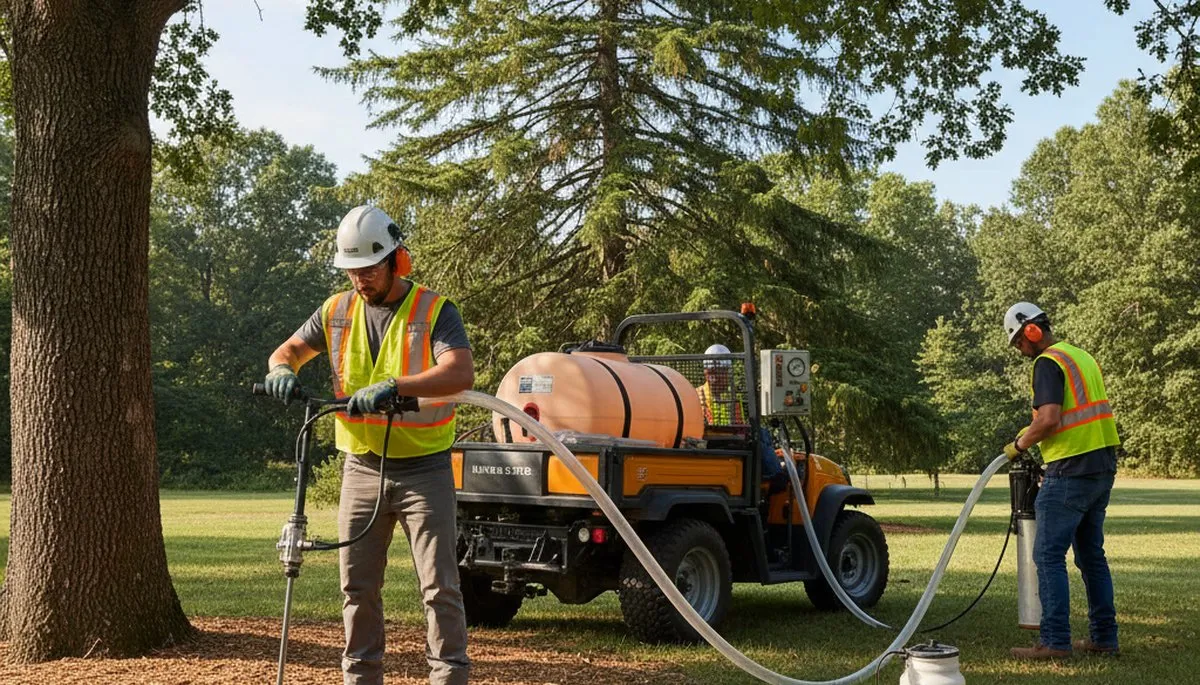
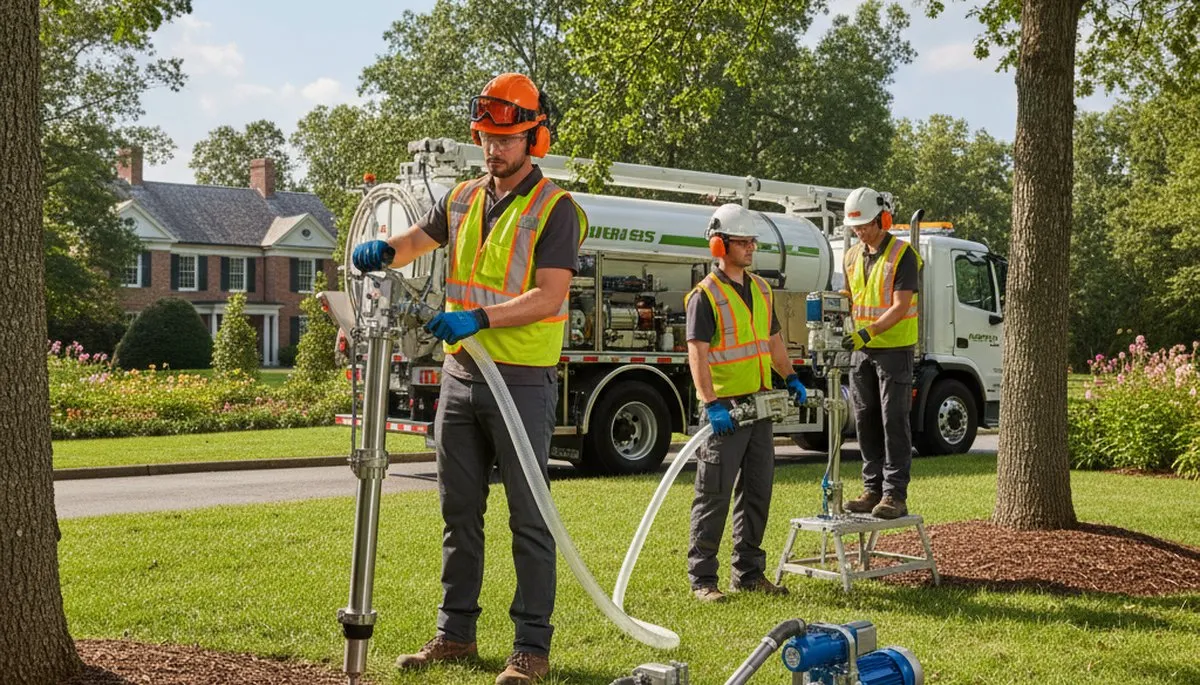
Large, established trees in Littleton, including cottonwoods and blue spruce common in Sedalia and Cherry Hills Village, often send roots far beyond the drip line. Deep-root fertilizing places nutrients into the active root zone, which helps bypass compacted surface soil that limits absorption.
Fertilizing After Tree Work or Storm Events
Trees often need added support after pruning, storm damage, or removal work so they can recover and close wounds properly. In Conifer and Thornton, hail and heavy snow can leave trees in rough shape, and a post-event fertilizing plan can help them rebound. Pairing treatment with reliable insect management also helps reduce the chance that pests will move in on weakened wood.
Our Tree-Service Services
in Littleton, CO, Include
How Local Pros Care for Trees Year-Round With Fertilizing
Each season in Littleton affects tree health differently, so timing fertilizing correctly can make a real difference.
Littleton, CO, Tree Fertilizing for Regular Service
Spring is usually the best time for standard fertilizing in Littleton. As the soil warms and trees come out of dormancy, they absorb nutrients more efficiently. Homeowners in Aurora and Westminster who book fertilizing in early spring often notice fuller canopies and better color by summer.
Schedule Regular Service Tree Fertilizing
Littleton, CO, Tree Fertilizing for Intensive Service
Hot summers and long dry periods create serious stress for trees throughout the Littleton area, especially in neighborhoods like Parker and Centennial where irrigation may not make up for low rainfall. An intensive mid-season fertilizing treatment, along with professional tree trimming to reduce canopy weight, can help stressed trees conserve energy and keep their structure steadier during peak heat.
Schedule Intensive Service Tree Fertilizing
Littleton, CO, Tree Fertilizing for Maintenance Service
Fall fertilizing is an important maintenance step because it supports root development through winter without encouraging soft new top growth. Trees in Englewood and Lone Tree, especially young transplants and ornamentals, store those nutrients and use them to build stronger roots before the ground freezes.
Schedule Maintenance Service Tree Fertilizing
Littleton, CO, Emergency Tree Fertilizing
Sometimes a tree declines quickly, with signs like wilting, early leaf drop, or bark discoloration that can point to a serious nutrient deficiency or soil imbalance. Properties in Glendale and Morrison may see this after utility work or flooding disturbs the root zone. An emergency fertilizing assessment helps identify the issue and apply targeted treatment before the tree worsens.
Schedule Emergency Tree Fertilizing